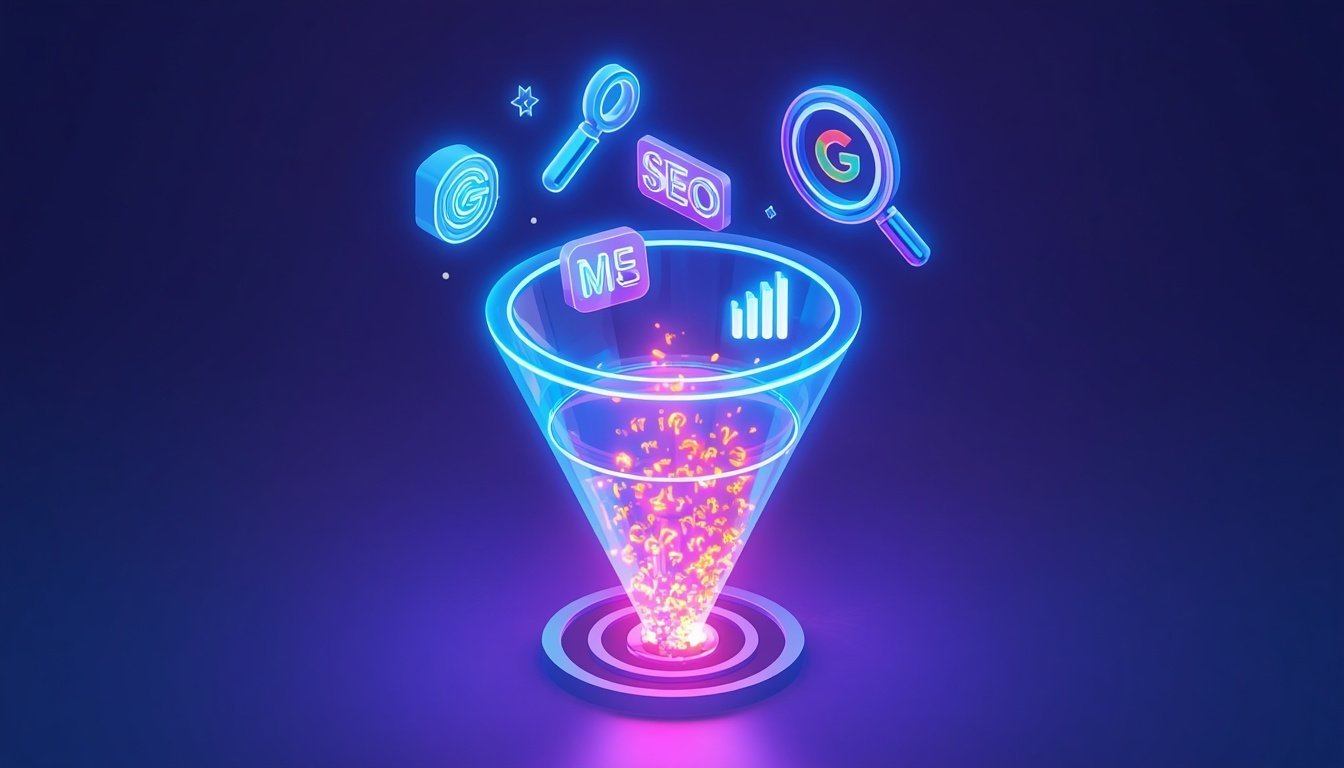
Generating leads is no longer about making your business visible to as many people as possible. The real challenge is finding the right people—people who actually need something are looking for a solution and are more likely to become buyers.
This is where SEO, Google Ads and Meta Ads can all work together.
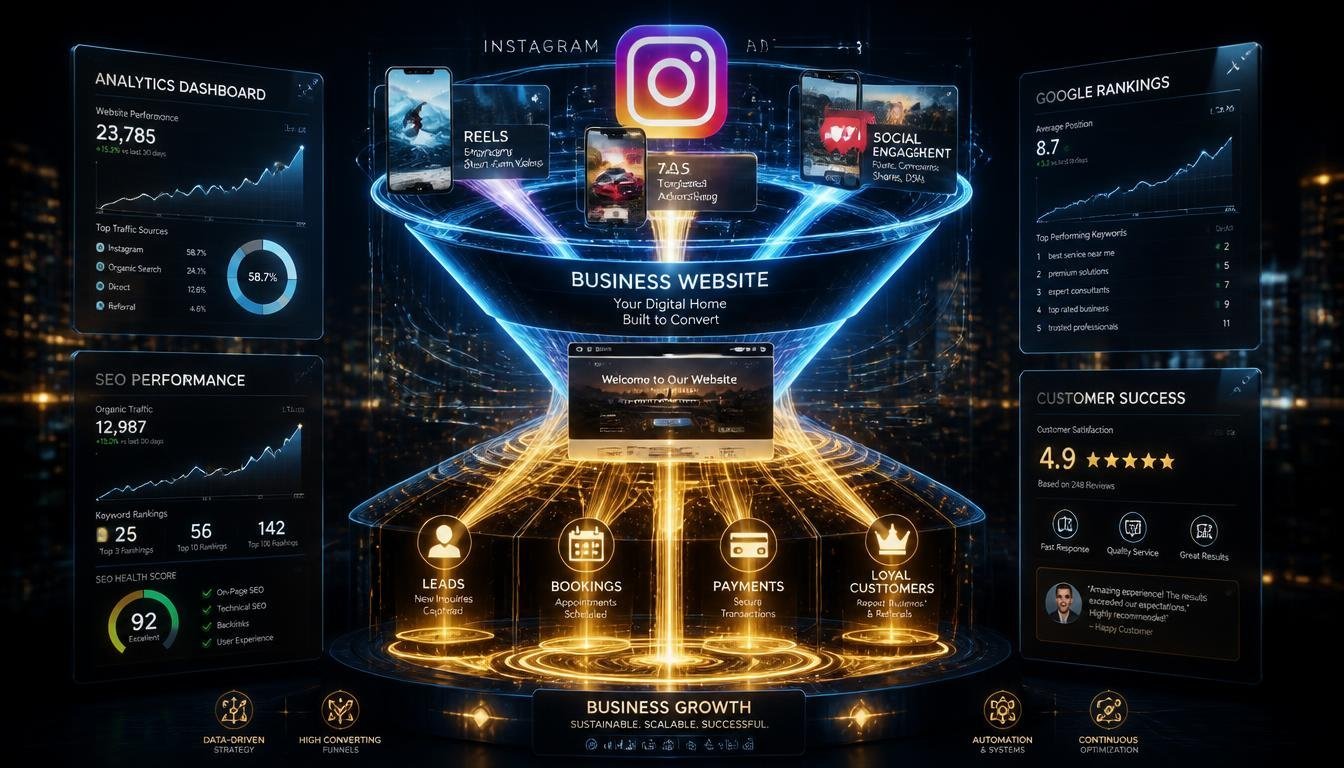
Each of these channels has a role in the path a customer takes. SEO brings in people who are actively looking for something. Google Ads connects with users who’re very ready to make a purchase. Meta Ads helps create awareness grows interest. Brings people who are interested back into the process of becoming a customer.
When these three channels are used together in a way companies can go from getting more leads, to getting better leads.
Why Use All Three Channels
Each channel plays a different role in the buyer’s journey:
SEO (Search Engine Optimization)
SEO (Search Engine Optimization) helps you get free traffic over a long time. This traffic comes from people who are already looking for your services like when they type ” digital marketing course in Karnal” or “CBSE tuition near me” into a search bar. If you focus on SEO (Search Engine Optimization) you will build trust and authority as time goes on.
Google Ads (Search, Performance Max, etc.)
Google Ads (Search, Performance Max, etc.) gives you visibility. This is very helpful for searches where people really want to buy something now. Google Ads (Search, Performance Max, etc.) is great for keywords where it might take months to reach the top spot for free. It works well for searches like “admission 2026” or “digital marketing agency near me”.
Meta Ads (Facebook & Instagram)
Meta Ads (Facebook & Instagram) helps people learn about you. Some people might not be searching for your services yet. They are the exact people you want to reach. You can find them by looking at their location, age or interests like parents of school students or small business owners. I think Meta Ads (Facebook & Instagram) is excellent, for telling your story sharing offers and using lead forms.
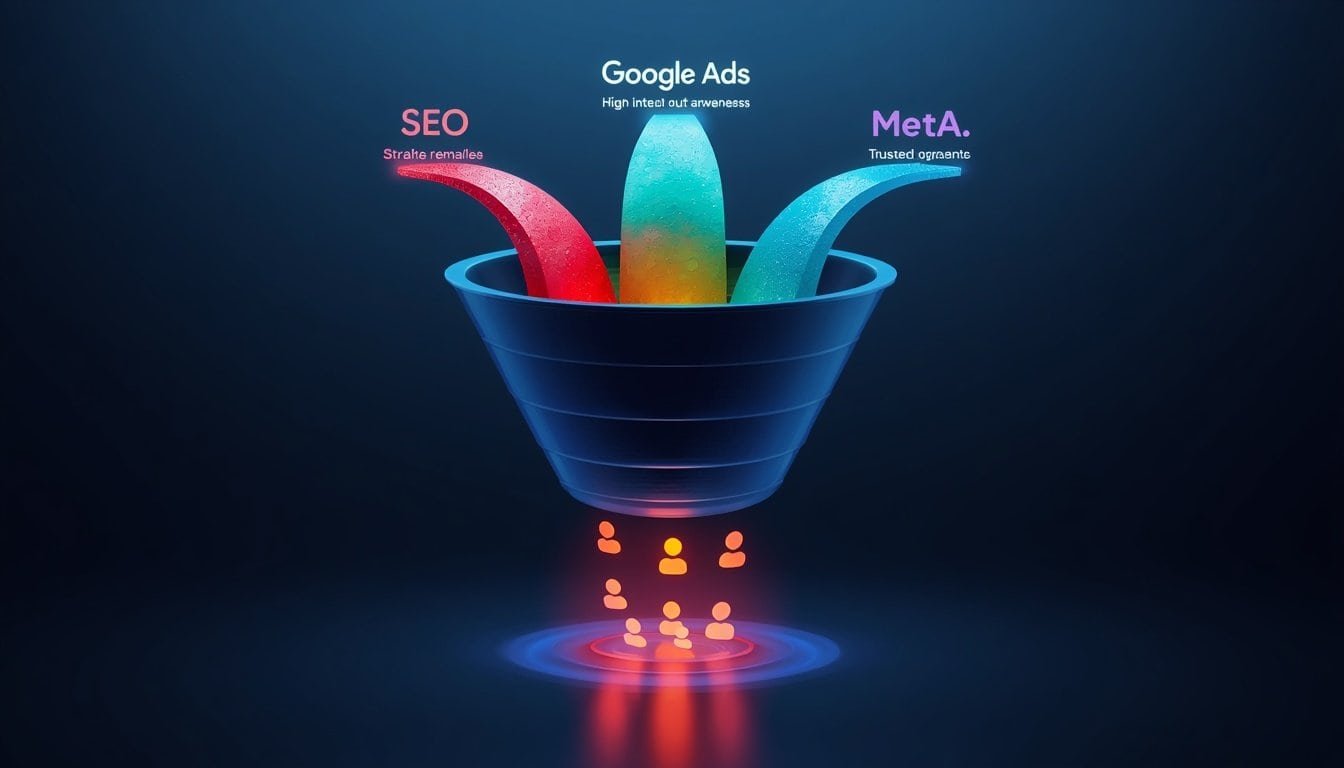
When combined, they:
- Increase your brand’s presence across search and social.
- Lower cost per lead by using data from one channel to improve the others.
- Turn casual browsers into high-intent leads through retargeting and consistent messaging.linkedin+1
Meta Ads: Creating Demand and Building Awareness
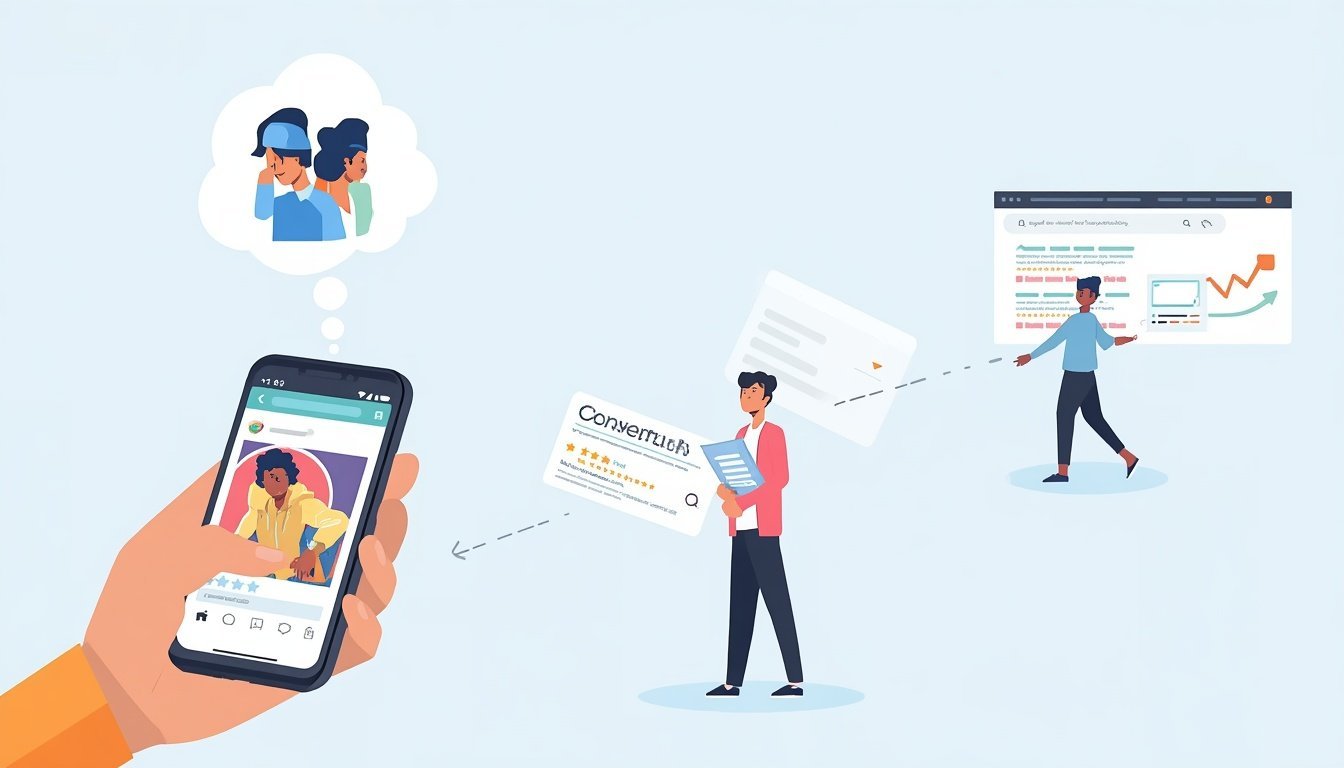
People go to Facebook and Instagram to watch videos and see what friends are up to. They are not on those platforms to buy services or hire companies. Your social ads need to grab their attention and show them a problem that they need to solve.
- Problem-First Hooks: Begin your video ads by showing a problem. Display the issue that your customer is facing before you present your solution.
- Simple Video Style: Use videos that are filmed on a phone. Clean and real videos are more effective than studio ads.
- Customer Reviews: Include customer quotes, high star ratings and real success numbers, on the image or video.
Meta Ads help create early brand awareness. Once a person recognizes your name they are more likely to click your link later on Google.

Google Ads: Catching People Who Are Ready to Buy
Google Search Ads connect with people right when they are looking to make a purchase. Unlike Meta Ads that help introduce your business Google Ads capture people who’re prepared to take action.
- Buying Keywords: Focus on search terms such as best, services, near me or prices.
- Brand Name Keywords: Use ads that feature your company name. People who view your Meta ad often end up searching for your business name on Google
- Competitor Keywords: Target search words related to brands. Direct those users to a page that explains why your company is a better choice.
Block Bad Searches: Include keywords to stop unwanted traffic. Remove words, like jobs, DIY or samples so you do not spend money on irrelevant clicks.

SEO: Building Trust and Lowering Ad Costs
Paid ads stop bringing in leads the moment you stop paying money. SEO builds authority on Google. SEO gives you traffic and lowers your overall marketing costs over time.
- Helpful Articles: Write blog posts that answer customer questions. Solving their problems builds deep trust.
- Comparison Pages: Create pages that compare your products against options, in the market. Buyers use these pages before making a purchase.
- Fast Loading Speeds: Make sure your website loads fast on phones. Slow pages frustrate visitors. Lower your Google search rank.

Cross-Channel Execution: The 4-Step Triad Workflow
Step 1: Use Paid Search Words, for SEO
Google Ads works as a way to test your content strategy. It can take months to find out if a keyword ranks without help but Google Ads lets you see which search terms actually lead to real sales in just a few days. Go to the search terms report in your Google Ads account. Look for the ones that resulted in conversions. Take the keywords that brought in high-intent leads and give them to your content writers. Creating SEO blog posts and landing pages around these tested words makes sure you spend time on content that brings in real business.
Step 2: Fix Low Ranking Pages with Google Ads
Being on page two of Google means your business is practically invisible as most users never click past page one. While your SEO team works on fixes and backlink outreach to move those pages up your business loses valuable potential customers every day. Launching short-term Google Search Ads, on those keywords buys your way to the top of page one immediately. This step captures ready-to-buy traffic right now giving your business the time it needs to build true organic rank in the background. This approach is quick and simple allowing your business to stay competitive while the SEO team works behind the scenes.

Step 3: Track and Retarget Website Visitors
Many first‑time visitors read your SEO blog posts. Leave without filling out a lead form because they are not ready to buy yet. Do not let those warm prospects slip away. Place pixel tracking scripts on your website so you can trace user activity across platforms. When a visitor reads your blog posts. Then leaves, set up custom retargeting ads on Facebook and Instagram. Show them visual case studies, client reviews or direct offers while they scroll through media. Reminding them of your brand brings them back, into your sales funnel to complete their conversion.
Step 4: Own the Top of Google Search
Showing up twice at the top of Google Search results doubles how many people see your business and how trustworthy it looks. When someone searches for a word that shows a desire to buy and sees your business in the top Google Search Ad spot and also in the top organic spot just below your business shows it is a leader right away. Being in both spots builds trust with buyers keeps competitors from taking your visitors and greatly raises the number of clicks that go straight, to your site.

Best Practices for Filtering Leads
Getting bad leads wastes time, for your team. I recommend following these steps to keep lead quality high.
- Ask Questions: I avoid simple one‑click forms. I add two or three questions to my lead forms like project timeline or budget range to filter out bad prospects.
- Use Clear Tracking Links: I add tracking parameters to every ad link so I know which platform sent the lead.
- Look at the Journey: I remember that Meta Ads often introduce your brand first while Google Ads or SEO close the sale later. I do not turn off ads just because the final click happened on Google.
Conclusion
Running SEO, Google Ads, and Meta Ads in silos leaves money on the table. Meta Ads create early brand interest, Google Ads capture active searchers, and SEO builds long-term authority while cutting your overall ad spend.
When you connect all three, your marketing stops relying on single-click sales and starts guiding users through a full, high-converting journey. Map out your customer path today, set up cross-channel pixel tracking, and turn separate campaigns into one high-intent lead engine.