


A well-designed website is crucial to your Google ranking. Consider your website to be a store. People will quickly leave a store if it is disorganized and difficult to locate items. This quick departure is viewed negatively by Google. It moves your page down in the search results after determining that your website is not useful.
ALSO READ: 10 Essential Advanced Excel Skills Every Digital Marketer Needs in 2025
A Good Design Means Two Things:
First, your website needs to load very quickly:
Speed really stands out as the top priority here. Your website has to load incredibly quickly to keep users engaged. Google pays close attention to this loading speed in its rankings. This factor becomes even more crucial for folks browsing on their mobile devices. When a site takes too long to appear, visitors often lose interest and navigate elsewhere right away. Google interprets that kind of bounce rate as a negative signal for your overall quality.
Second, the website needs to be user-friendly on a mobile device:
Mobile friendliness plays a huge role in getting good search positions. The layout of your site needs to work smoothly on smartphone screens without any glitches. If elements appear distorted or hard to tap on smaller displays, Google tends to lower your ranking considerably. In fact, Google prioritizes examining the mobile version of pages before anything else these days. A clean and responsive design also helps build a sense of reliability for visitors. Google factors in that trustworthiness as another positive aspect for better visibility.
CHAT NOW ON WHATSAPP: https://wa.me/919991267776
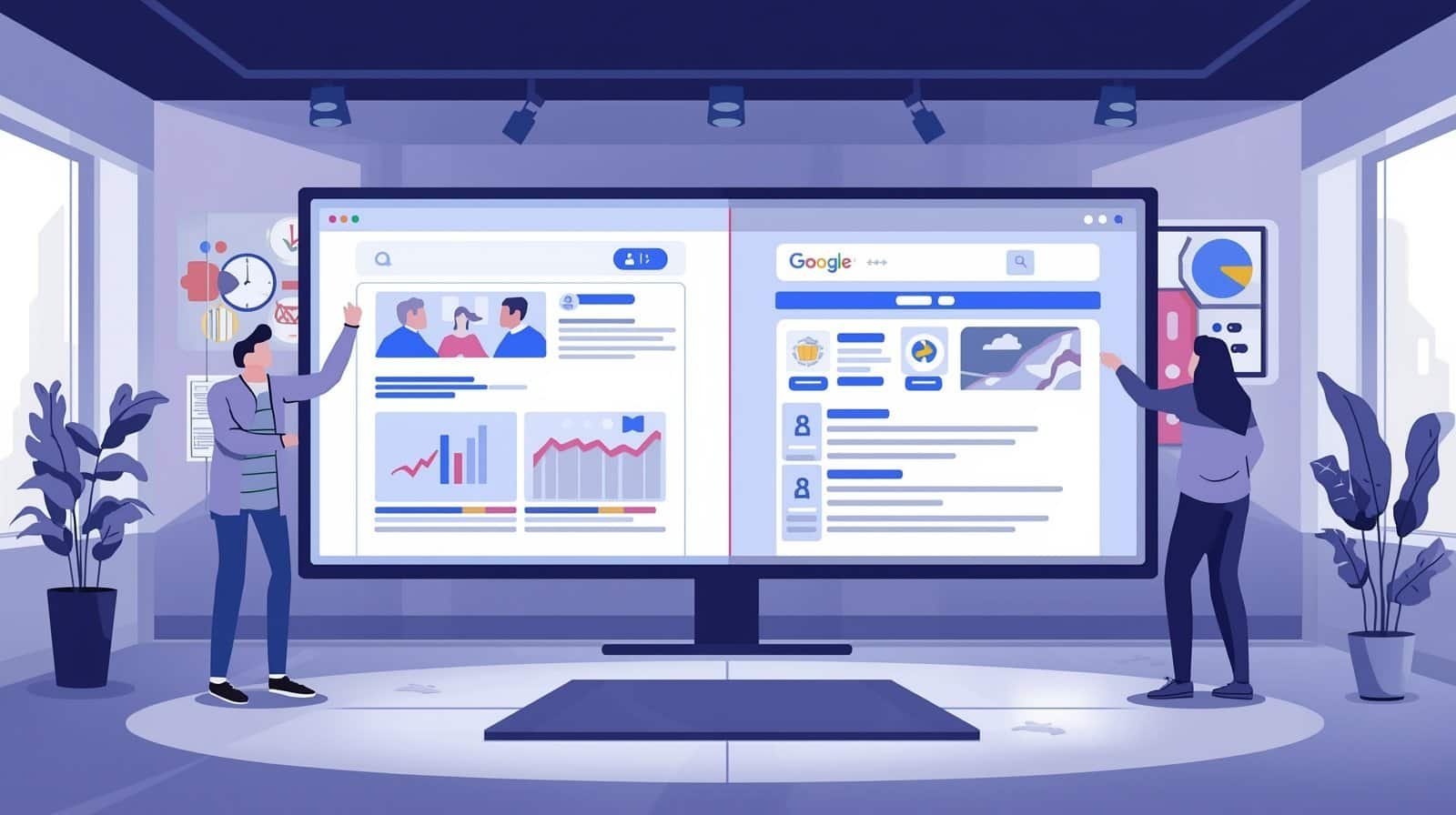
Why Designs Matters:
Good Design Keeps Visitors on the Site:
Google watches how long people stay on your website. If the layout is clean and the page’s load fast, visitors stay longer. A slow or confusing design makes people leave quickly. When people stay longer, Google thinks your site is helpful. This helps your website rank higher.
Bad Design Increases Bounce Rate:
Bounce rate means a visitor leaves after opening just one page. If the design is messy, text is hard to read, or the site looks unattractive, people leave fast. Google sees this as a sign that your website has low value. A neat, simple, and beautiful design keeps users engaged. Low bounce rate tells Google your website is worth showing to others.

Mobile-Friendly Design Boosts Ranking:
Many people use phones to browse the internet. Google checks if your website works well on mobile. If buttons, images, or text do not adjust to the screen, ranking drops. Good design makes the website fit every screen size. When a site looks good on phones, Google gives it a better rank.
Why Website Design and SEO Work Hand in Hand
Great website design and search engine optimization really go together like two parts of the same thing. They work best when everything lines up right. That setup gives users a smooth ride through the site. It keeps visitors happy while pushing the pages up in search results.
FOLLOW FOR MARKET UPDATES: https://www.instagram.com/
How Design Impacts SEO Performance:
- Navigation & User Experience (UX):A solid setup for getting around the site lets people spot what they want without hassle. They end up staying longer. Bounce rates drop too. All that sends good signals to search engines for better rankings.
- Mobile Responsiveness:Mobile setup matters a lot these days. More than sixty two percent of web traffic comes from phones and tablets now. So a design that works great on smaller screens is key. It directly boosts those SEO spots.
- Page Speed: Speed on the pages counts for plenty. Sites that load super quick hold onto users attention. Search engines pick up on that and reward it with higher positions.
- Content Discoverability:Finding content easily is another angle. Engines need clean layouts and neat organization. That way they can crawl and index the key pages without trouble.
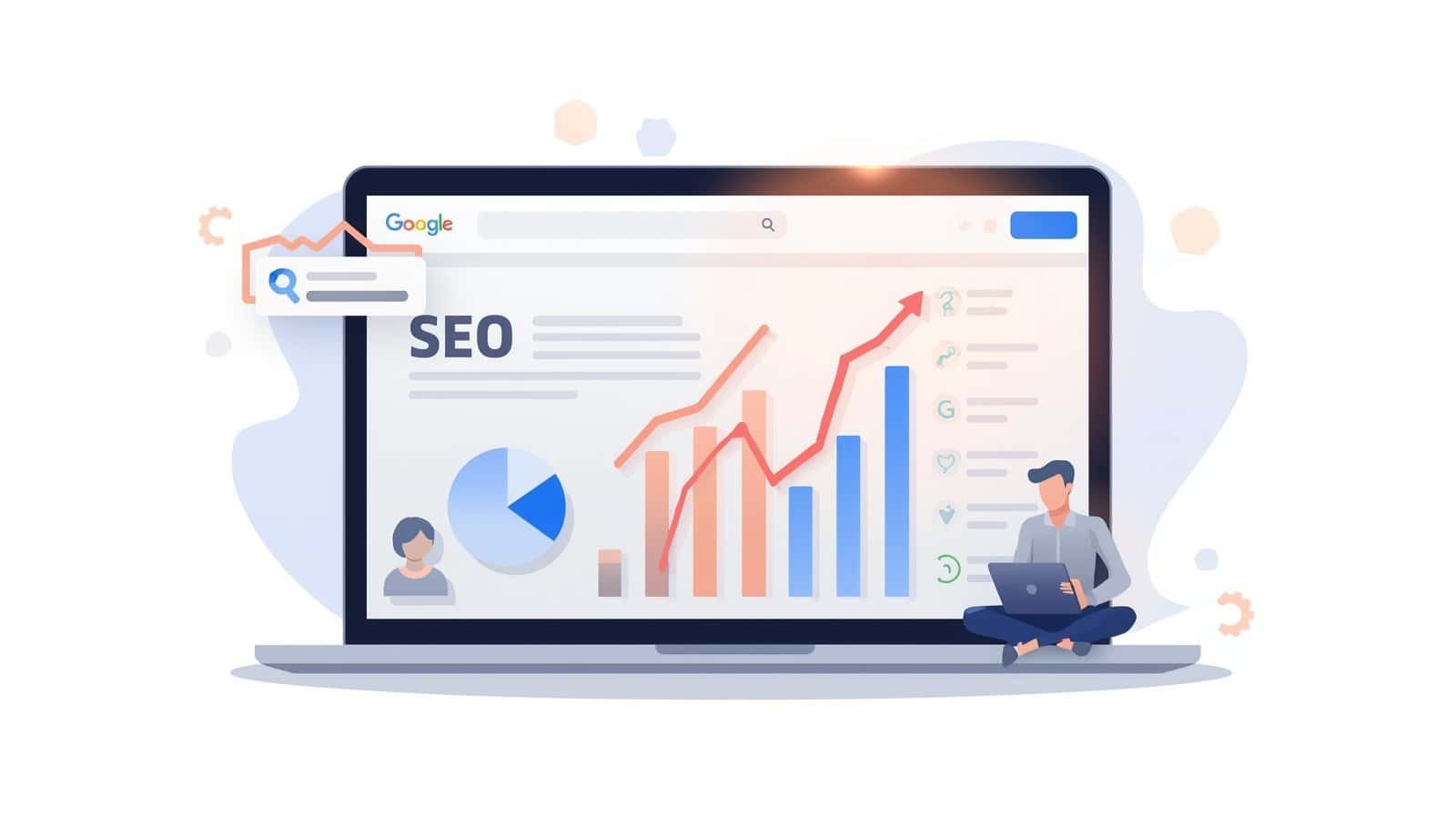
In Short, your website design really affects how users interact with it and how search engines see things. A solid design improves the whole experience for people visiting. It keeps them interested and pushes them to look around more. Plus it makes it easier for search engines to figure out your content and rank it higher.
Focusing on where usability and search optimization overlap matters a lot for growing your site. That way it looks good to the eye while pulling in more natural traffic from searches.
SUBSCRIBE NOW: https://youtube.com/@techbooz?si=QzEGaQoUA0yFsLAJ
Key Elements of SEO in Web Design:
Responsive Design
- Responsive design adapts to every kind of screen size out there.
- It pulls this off through flexible grids and images plus CSS media queries that handle the changes.
- Google gives higher rankings to sites like this in mobile search results.
- Breakpoints come in to shift layouts around for phones, tablets, and desktop screens.
- Fluid images resize smoothly without any blurring issues. Testing on real devices helps drop those bounce rates quite a bit.
Site Speed Optimization
- Site speed holds users on the page longer than anything else.
- Compressing images into Web format makes a real difference.
- Minifying the CSS, JS, and HTML code keeps things lean.
- Browser caching along with CDNs speeds up the loads every time.
- Lazy loading for off-screen elements avoids wasting bandwidth upfront.
- Core Web Vitals push fast sites toward better rankings overall.
MUST VISIT: https://techbooz.com/best-digital-marketing-course-in-karnal/

Keyword Integration
- Keyword integration creates relevance without forcing it.
- Put the main keyword right in the H1 tag from the start. H2 through H6 headers handle subtopics in a natural way.
- Content needs to match what users actually search for and intend.
- Keywords fit into URL slugs and title tags that stay under sixty characters.
- Avoiding stuffing keeps the flow smooth and readable.
Multimedia Optimization
- Multimedia pulls users in and keeps them engaged longer.
- Alt text with keywords on images helps search engines understand them.
- Compressing files maintains speed while holding onto quality.
- Descriptive filenames add context without extra effort.
- Lazy loading works well for videos and media off the screen.
- Schema markup enhances rich results and boosts engagement levels.
Meta Tags and Schema Markup
- Meta tags shape how searches preview the site content.
- Unique title tags start with keywords to grab attention.
- Meta descriptions under one hundred sixty characters entice more clicks.
- Open Graph tags improve shares across social platforms.
- JSON-LD schema adds stars and FAQs for better visibility.
- All of this raises click-through rates in a noticeable way.

Tips to Improve designs For better rankings
- People often look for ways to tweak their site design so it ranks higher in searches. One thing you can do is test the loading speed using free options like Google’s Page Speed Insights tool. Then try making those images smaller to help everything load quicker overall.
- Keeping menus straightforward really makes a difference. That way users do not have to click around so much just to get the information they need. Putting in a search bar can make navigation even easier for everyone.
- Always start by checking how the site looks on phones before anything else. Fix any spots where things break for mobile visitors right away. Switching to responsive themes usually solves a lot of those issues without much hassle.
- Do not forget to add alt text to all your pictures. It helps with SEO and makes the site more accessible for people who need it. That small step goes a long way in reaching more folks.
- Choose colors that are easy on the eyes for as many users as possible. Steer clear of those bright combinations that clash and cause problems.
- Skip the pop-ups that cover up the main content completely. Users want to see what you offer without any interruptions from the start.
- A solid design works best when it teams up with quality content. Those two elements push each other to help land those top search spots. Keep updating things regularly so visitors have a reason to return time and again.
Conclusion
Good web design really works hand in hand with SEO to help sites hit those top spots on Google. The team pays close attention to things like page speed and how well it fits on mobile devices. They also make sure navigation stays simple and straightforward. All of this keeps visitors engaged and coming back for more. Plus it gives search engines the kind of clear signals they need to notice your site.
You want to create websites that load quickly no matter what device someone uses. Throw in some well-chosen keywords along with a neat overall structure. Include features that actually help users out too. Keep testing everything regularly so you can see your traffic numbers start to climb steadily.

Steer clear of those common pitfalls such as pages that take forever to load or layouts that feel cluttered and confusing. Combine strong design choices with up-to-date content that adds real value. That approach leads to actual success in the long run. Sites built this way draw in plenty more visitors over time. They gradually move up through the search rankings as well.
Techbooz provides solid advice when it comes to digital marketing and putting together effective web designs. Their expertise makes it easier for your site to achieve better rankings. In the end it connects you with a wider audience out there.
Must Read Articles
If you want to understand where the industry is heading and how you can stay ahead, here are some important guides you should explore:
- Techbooz: 10 Online Education Myths You Should Stop Believing:https://techbooz.com/10-online-education-myths-you-should-stop-believing/
- Techbooz: AI + SEO: A Complete Guide to Smarter Search Optimization:https://techbooz.com/how-ai-is-transforming-seo/
- Techbooz: Instagram Algorithm Changes in 2025 Every Marketer Should Know:https://techbooz.com/instagram-algorithm-changes-in-2025-every-marketer-should-know/