
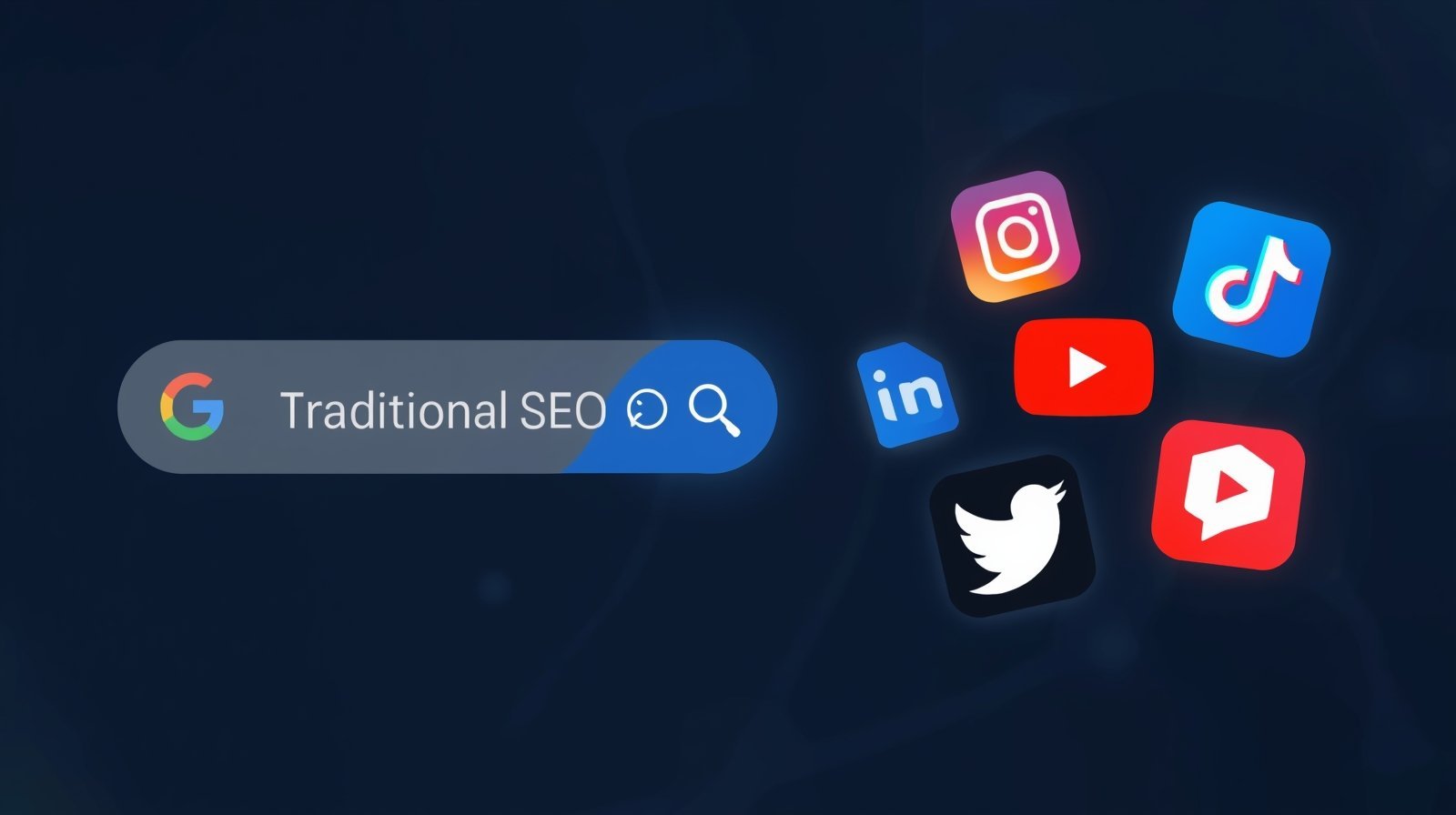
The digital world is changing fast, and today social media search is becoming a stronger source of information than traditional Google search. Users now prefer short videos, quick tutorials, real people, and instant answers rather than long text-based results. This shift is the main reason people say traditional SEO is losing its power.
Table of Contents
What Is Traditional SEO?
Why Traditional SEO Is Losing Power
What Is Social Media Search?
Why Users Prefer Social Media Search
Examples of Social Media Search in Daily Life
How Social Platforms Became New Search Engines
How Brands Should Adapt
Is SEO Dead or Evolving?
The Future of Search
Conclusion
FAQs (SEO Schema Friendly)
1. What Is Traditional SEO?

Traditional SEO refers to optimizing websites for Google using:
Keyword research
Long-form blogs
Backlinks
On-page optimization
Technical improvements
Website speed
Meta tags and schema
This method worked well for many years. But user behaviour has changed.
2. Why Traditional SEO Is Losing Power
Search patterns are shifting for several reasons:
1. Long text feels boring
Most users do not want to scroll through long articles.
2. Ranking takes months
Google SEO is slow, competitive, and unpredictable.
3. Many blogs are written only for ranking
This reduces trust because users feel the content lacks real experience.
4. People learn visually
Short videos help users understand faster than paragraphs.
Traditional SEO still matters, but not the way it used to.
3. What Is Social Media Search?
Social media search means using platforms like Instagram, TikTok, YouTube, and Facebook to find information instead of Google.
Users now search directly inside:
Instagram search bar
TikTok search bar
YouTube search
Facebook groups
Pinterest search
This is fast, visual, and based on real people.
4. Why Users Prefer Social Media Search
1. Quick Answers
A short 15–30 second video explains the full solution without reading.
2. Real People and Real Results
Users trust honest reviews, real-time demos, and step-by-step videos.
3. Easy to Understand
Visual content is simple, clear, and memorable.
4. Community Feedback
Likes, comments, saves, and shares work as social proof.
5. Younger Generations Prefer Social Platforms
Gen Z uses Instagram and TikTok search more than Google for daily queries.
5. Examples of Social Media Search in Daily Life
People now search for:
Best smartphone under 20,000
Digital marketing institute in Karnal
Skin care routine
Weight loss workout
Travel destinations
Product reviews
Easy recipes
Freelancing tips
All of these searches happen inside social media apps.
6. How Social Platforms Became New Search Engines
Platforms improved their algorithms. They now show results based on:
- Keywords in captions
- Keywords spoken in videos
On-screen text
Hashtags
Engagement
Watch time
This means you can “rank” on Instagram or TikTok just like you can rank on Google.
7. How Brands Should Adapt
If a brand wants to grow, it must adopt social media search strategies.
1. Create short-form content
Reels, Shorts, and TikToks perform better than long blogs.
2. Use on-screen keywords
Your main keyword should appear in:
Video text
Titles
Captions
First comment
3. Share real experiences
Behind-the-scenes content builds trust.
4. Encourage interaction
More comments = higher ranking in social media search.
5. Post consistently
Regular uploads improve visibility.
8. Is SEO Dead or Evolving?
SEO is not dead.
Traditional SEO is slowly declining, but modern SEO is growing.
The new SEO strategy is:
SEO + Social Media Search + Short Videos + Personal Branding
This combination gives maximum reach.
9. The Future of Search
Here is what search will look like in the next few years:
1. Video-first search will dominate
People will prefer visual learning.
2. Social media platforms will become primary search engines
Especially for lifestyle, fitness, beauty, education, travel, and tech.
3. Google will integrate more video-based results
YouTube Shorts will appear more often.
4. AI will personalize search results
Users will receive tailored content suggestions.
10. Conclusion
Search behaviour has changed significantly. Users are shifting from Google to social platforms because of speed, convenience, and trust. If you want to grow in today’s digital world, you must understand the impact of social media search, adapt your content, and stay updated with new strategies.
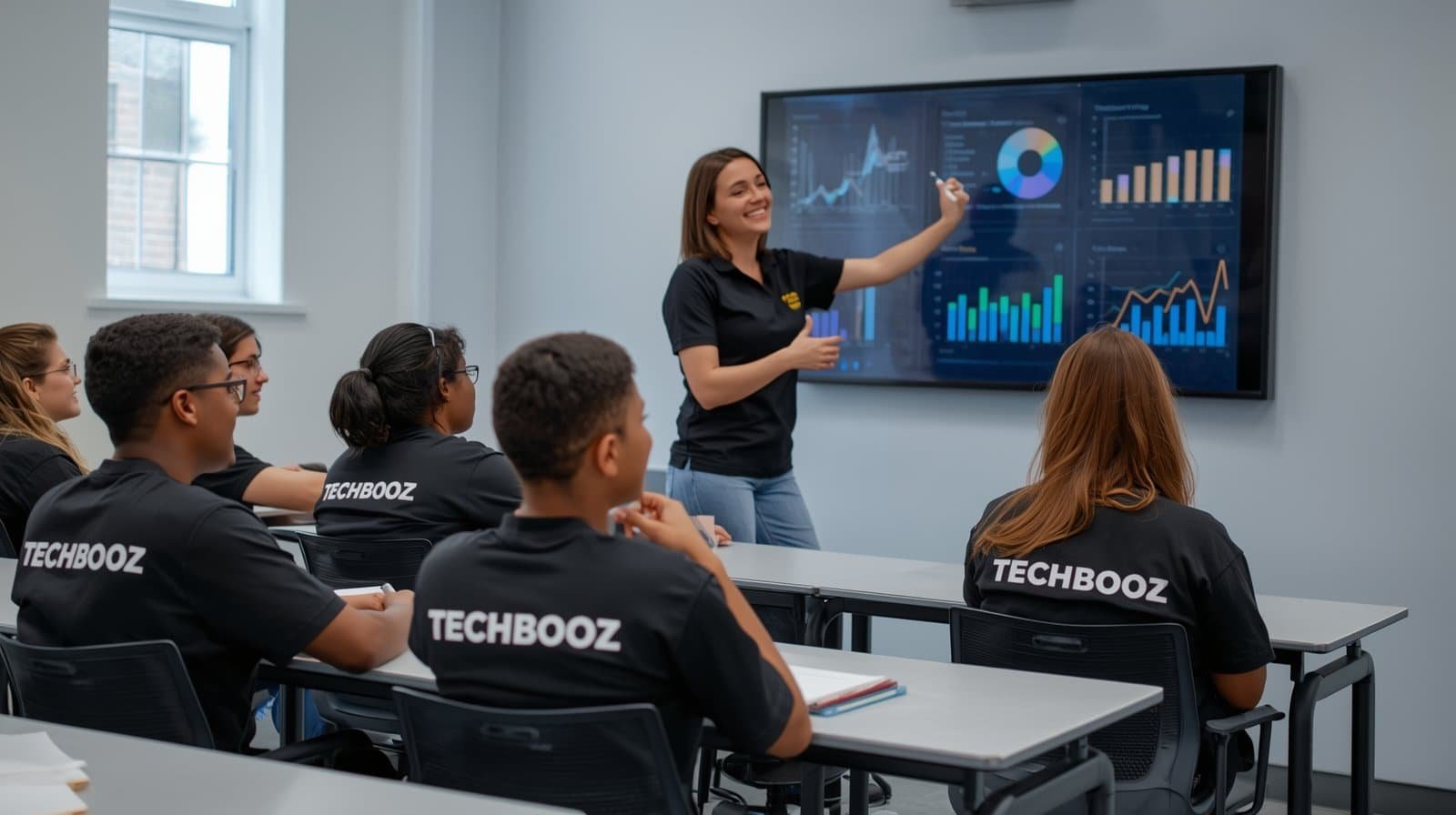
Techbooz teaches modern digital marketing, content creation, SEO, and social media ranking methods in a simple and practical way. If you want to stay ahead in your career, learning these skills is essential.
11.Frequently Asked Questions
Q1. Is traditional SEO really dying?
Traditional SEO is not dead, but it is losing dominance. Modern users prefer video-based and social-first search results.
Q2. Why is social media search popular?
It is faster, more visual, easy to understand, and based on real reviews and creator experiences.
Q3. Which platforms are most used for social media search?
Instagram, TikTok, YouTube, Pinterest, and Facebook groups.
Q4. Should businesses stop doing SEO?
No. Businesses should combine SEO with social media content to get maximum visibility.
Q5. How can a brand rank in social media search?
By using relevant keywords in videos, captions, hashtags, and posting consistent short-form content.
Must Read Articles
If you want to understand where the digital marketing industry is heading and how you can stay ahead, here are some important guides you should explore:
1. Future of Digital Marketing: What Will Change by 2030
Read here: https://techbooz.com/future-of-digital-marketing-what-will-change-by-2030/
2. How to Automate Your Marketing Without Losing the Human Touch
Read here: https://techbooz.com/how-to-automate-your-marketing-without-losing-the-human-touch/
3. How to Rank Higher on Google Without Backlinks
Read here: https://techbooz.com/how-to-rank-higher-on-google-without-backlinks/
4. 5 Key Predictions for Digital Marketing in the Next 5 Years
Read here: https://techbooz.com/5-key-predictions-for-digital-marketing-in-5-years/