
How would it feel to have marketing campaigns that learn and improve autonomously as you focus on your business growth? Sounds promising, doesn’t it? Welcome to autonomous marketing – another emerging trend of digital marketing.
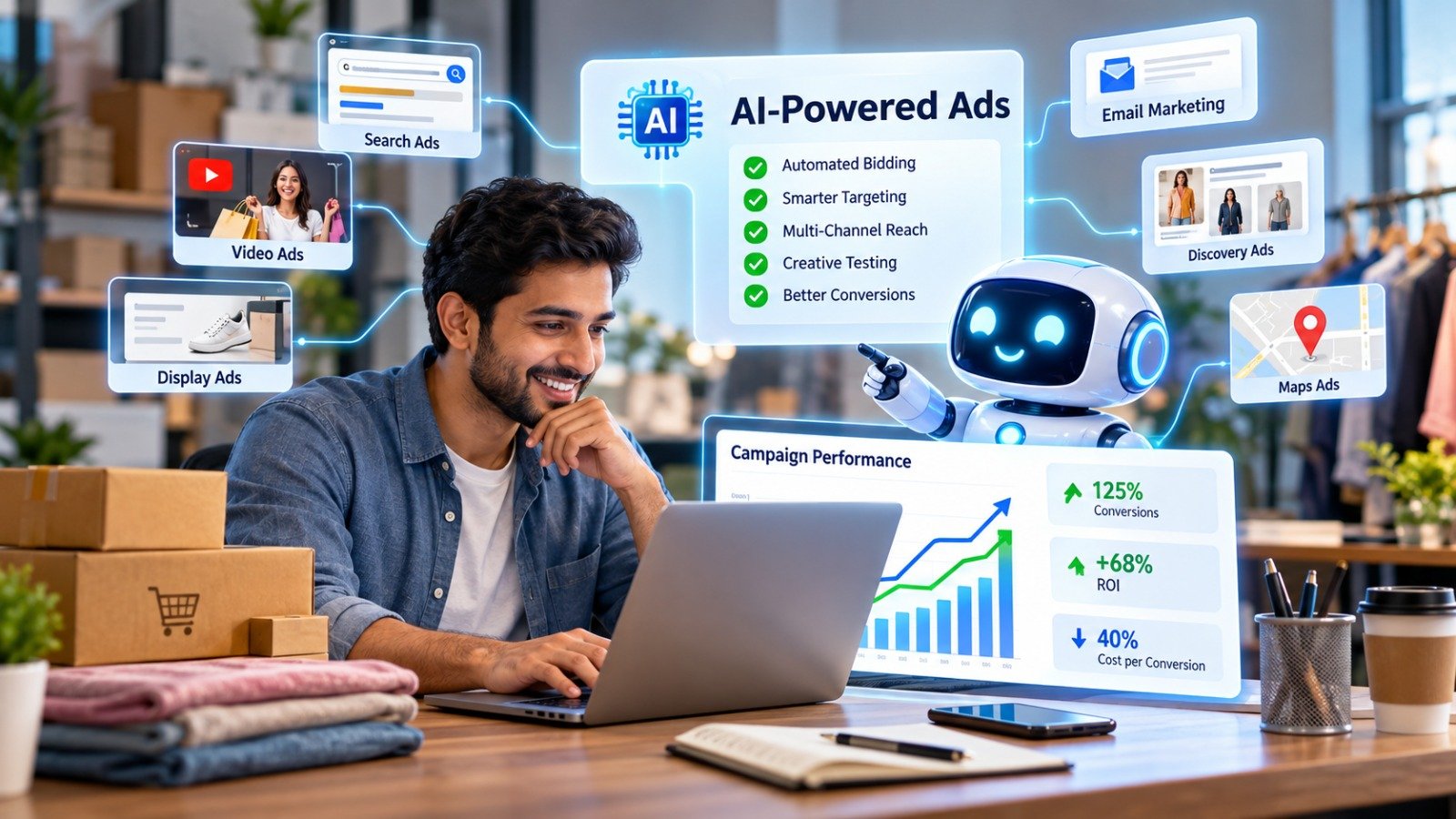
With modern advancements in artificial intelligence, businesses are now using it to increase efficiency and effectiveness of their processes when reaching customers. With AI-driven solutions, marketers can create advertisements, analyze customers, etc., which helps them save time and become more efficient. What the future holds is even more exciting, as AI is now able not only to assist humans but to conduct some processes autonomously.
Again, the level of its independence is going to depend on the campaign and other details.In this blog, we will explore how autonomous marketing works, its benefits and challenges, and whether AI can truly run marketing campaigns on its own.
What Is Autonomous Marketing?
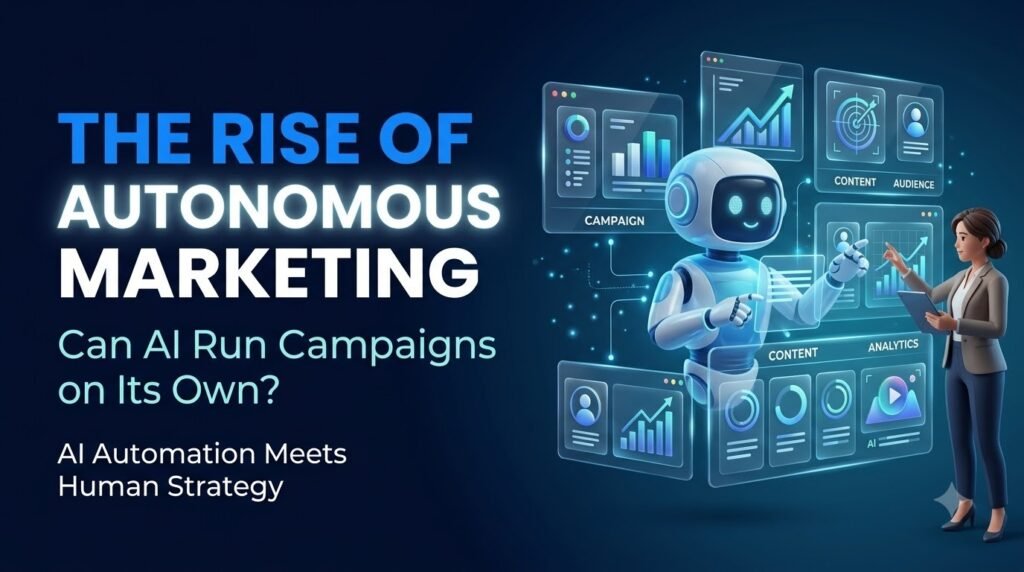
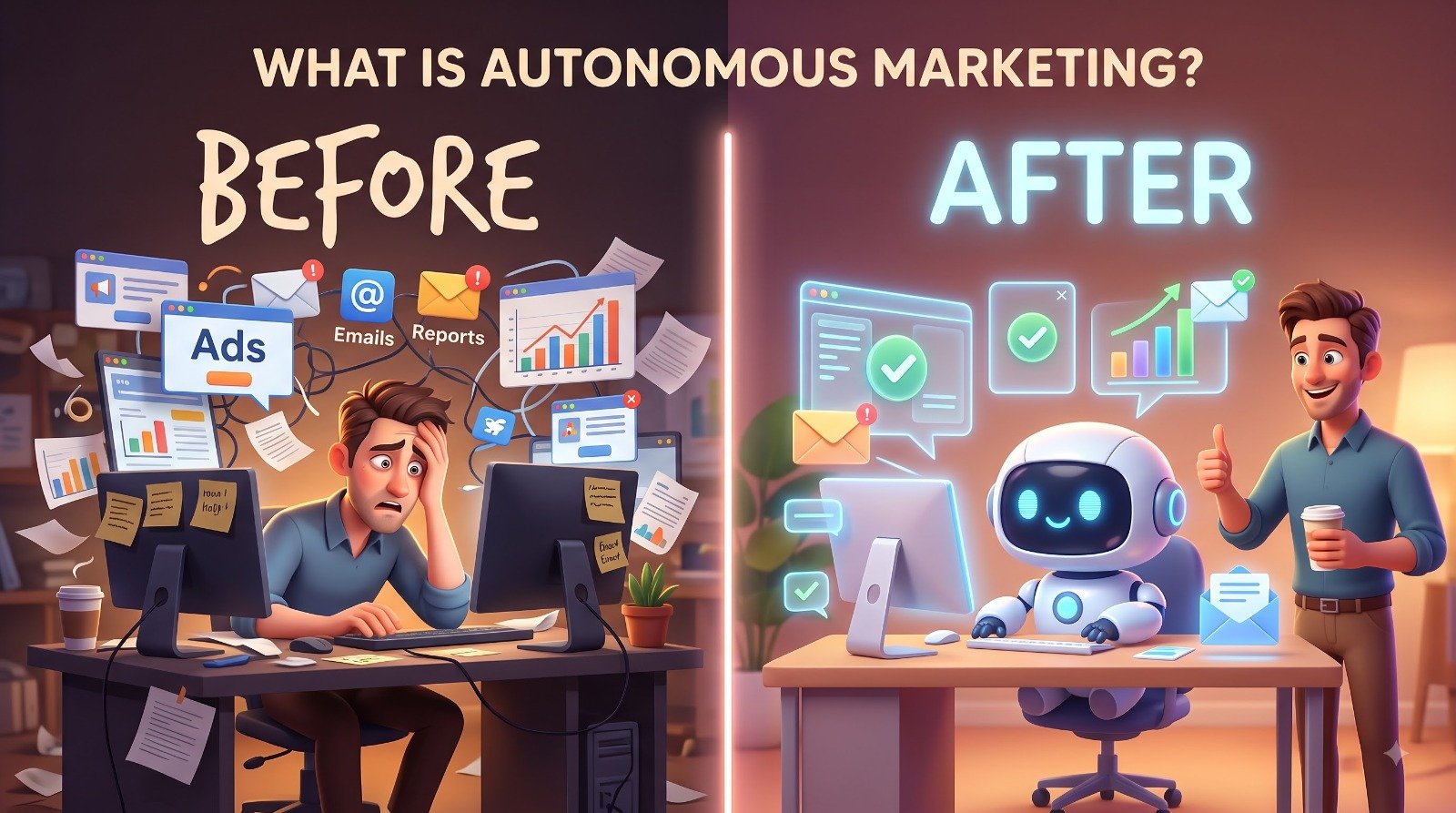
Autonomous marketing is a practice where AI systems can be able to plan, execute, monitor and optimize marketing efforts with little need for human input.Traditional marketing involves having people handling all the steps. The marketer identifies the target audience, creates marketing content, designs ads, monitors the performance of the campaign and optimizes according to results.
The process of automating has been used to simplify most of these processes. For example, an email software sends a welcome letter to a person joining a newsletter.
Chat Now: https://wa.me/919991267776
How Does Autonomous Marketing Work?
Autonomous marketing involves the use of artificial intelligence, data, and automation technologies to handle and optimize marketing campaigns without much involvement of people.
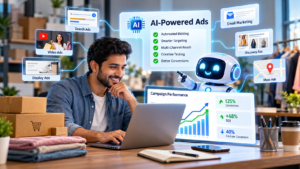
- Understanding the Target Audience: AI technology analyzes the customers’ interests, visits, and their purchases in order to understand the target audience.
- Planning Campaigns: The software chooses appropriate channels, messages, and campaign goals depending on existing information.
- Creation of Materials: AI helps to create advertisements, emails, and social media posts.
- Campaign Management: It may schedule messages, set bids on advertisements, and conduct other actions in line with approval.
- Optimization and Improvement of Campaigns: AI analyzes campaign performance and offers or conducts necessary changes.
For instance, e-commerce may use AI to discover the most popular items, deliver targeted advertisements, and optimize campaigns depending on consumer response. People’s monitoring is still needed to make sure that marketing activities serve business goals.
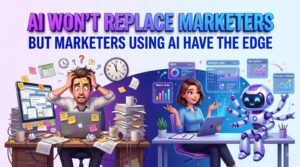
Must Read: Ai won’t replace marketers, but marketers who use AI may replace who don’t
What Are the Advantages of Autonomous Marketing?
The rising popularity of autonomous marketing is due to the possibility of reducing manual labor and using data more effectively.
- Faster campaign management – Automated systems process lots of information fast and detect any shifts in the performance of a campaign and perform any necessary actions immediately without waiting for all the information to be checked by someone.
- No repetitive work – Marketing specialists waste their time on such things as scheduling the messages, working with reports, adjusting the settings of campaigns, and automation helps them save time and engage in more important activities.
- Effective processing of customer data – Artificial intelligence is able to find those patterns that are difficult to discover manually. Those patterns can show customer preferences and help marketers develop more effective marketing messages.
- Regular testing – Some tools allow running several versions of the ad or the message and analyzing the results in order to improve performance of campaigns. Thus, the testing becomes a part of the routine process.
- Support for small businesses – Small businesses often have limited budgets and small marketing teams. AI-powered tools can help them manage several marketing activities without hiring a large team.
However, the tools still need proper setup, regular checks, and a clear strategy. Saving time does not automatically mean earning more money.
Can AI Run an Entire Marketing Campaign on Its Own?
It’s a critical question to be raised.
Technically, yes, AI is able to handle numerous connected marketing activities independently, learning from the available data, creating necessary content, conducting approved marketing campaigns, analyzing their results, and changing some parameters.
However, handling activities does not necessarily mean having a full picture of the situation in the company.
Think about a small business which introduces a new service. The AI will find a target audience, create the required advertisements, and change the budget depending on its efficiency.
Nevertheless, what if the offer is not trusted by the customers? What if there is a promise made in the advertisement that cannot be fulfilled? There may be many such nuances which may be missed by AI when using only the information about the marketing campaign.
That is why the combination of human experience and the AI is usually more reasonable. Humans can set the direction, define the budget, approve important decisions, and decide what success means. AI can handle repetitive tasks, analyze results, and make routine changes within agreed limits.
For most businesses, this balance offers a safer way to gain the benefits of autonomous marketing.
Where Autonomous Marketing is Currently Being Applied?
Autonomous marketing is currently being applied by companies to assist in marketing functions without requiring too much manual effort. Here are some of the popular areas of application.
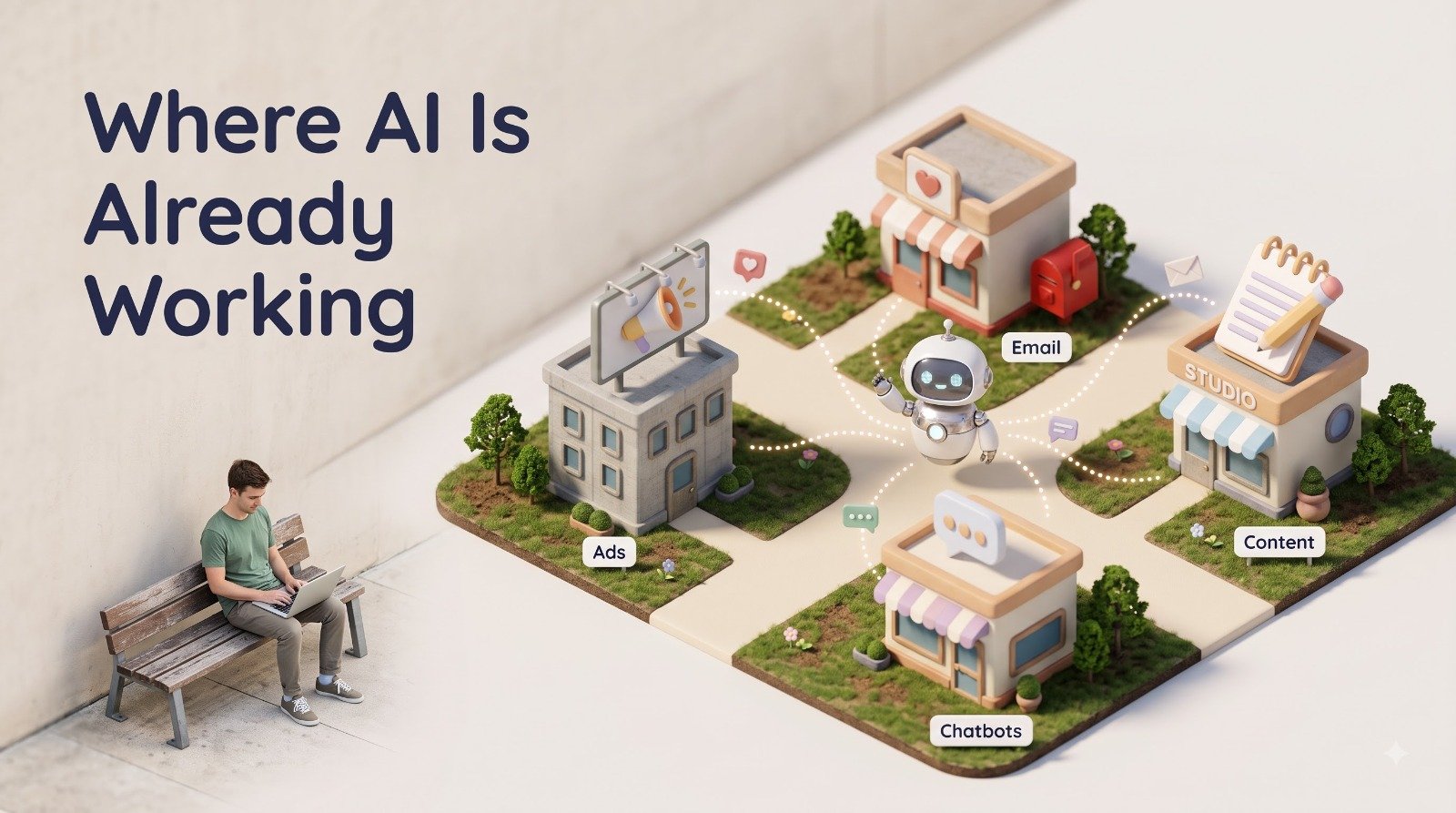
- AI-Based Advertisement – Google ads and Meta ads rely on AI to ensure that advertisements are delivered effectively and bids adjusted accordingly.
- Email Marketing – AI is used to help customers through emails that include reminders about cart items and suggested items based on their interests.
- Content Generation – AI assists in generating content such as captions for social media, blog titles, emails, and advertisement texts. The generated content can be edited and improved before release.
- Support Services – AI-based chatbots provide support to customers by answering common questions, collecting contact information and directing customers towards relevant products or services.What Is Autonomous Marketing for Digital Marketers?
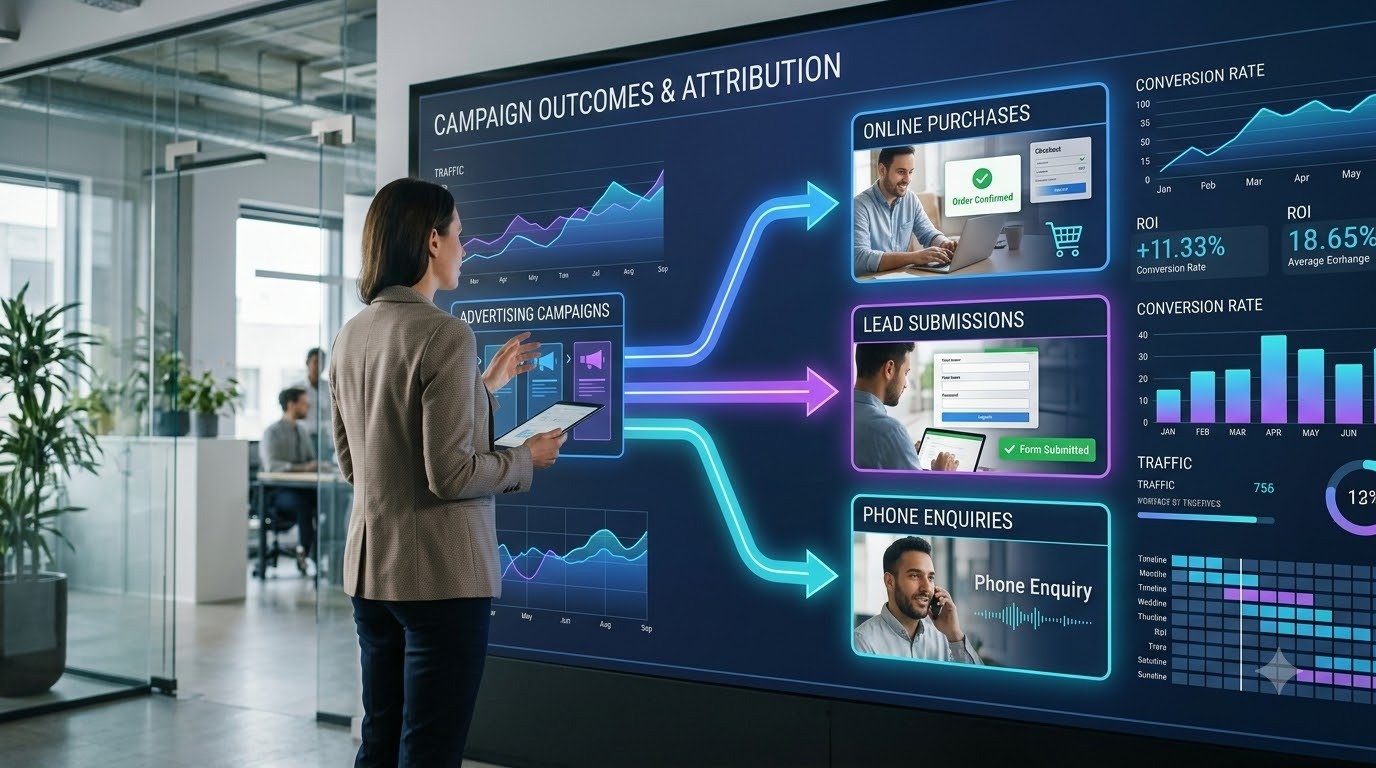
Would autonomous marketing replace the need for digital marketers?
It would change the way they do their job but not make the need for human labor disappear.
As more automated processes are run by AI, marketers would have to develop skills in strategic planning, creativity, consumer behavior, data analysis, and decision making. A digital marketer who knows about Google ads, Meta ads, SEO, data analytics, and AI would be ready for the new reality.
For instance, knowing how to prepare an ad might be handy, but knowing why this ad fails to convert, if the tracking system works properly, and how to increase lead quality would be even more important.
Digital marketers will also have to learn how to control AI results, protect consumer data, and align campaigns with business needs. Autonomous future would most likely be rewarding for those who can collaborate with AI.
For most companies, this is a safer method of enjoying the advantages of autonomous marketing.
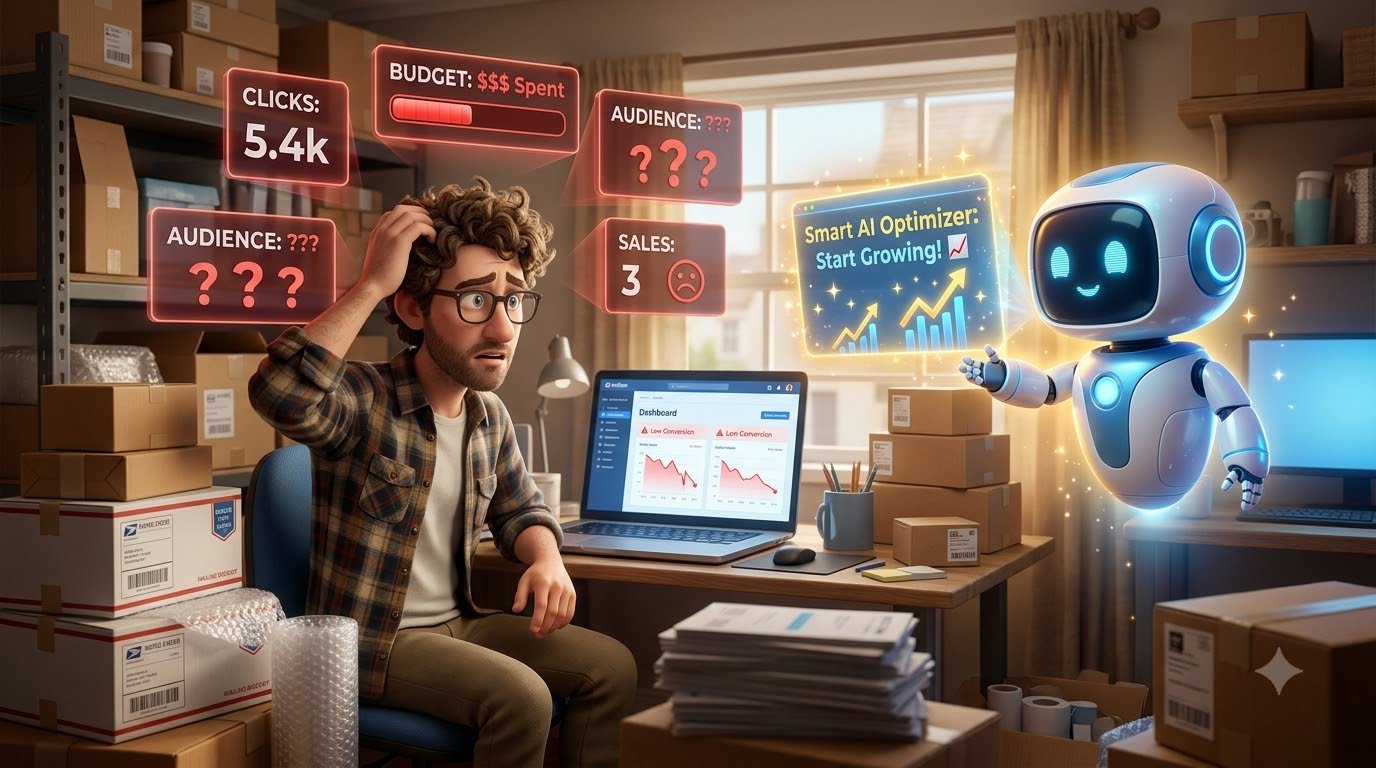
The Future of Autonomous Marketing
Autonomous marketing is likely to become more common as AI tools become better at connecting data, making decisions, and carrying out tasks across different platforms.
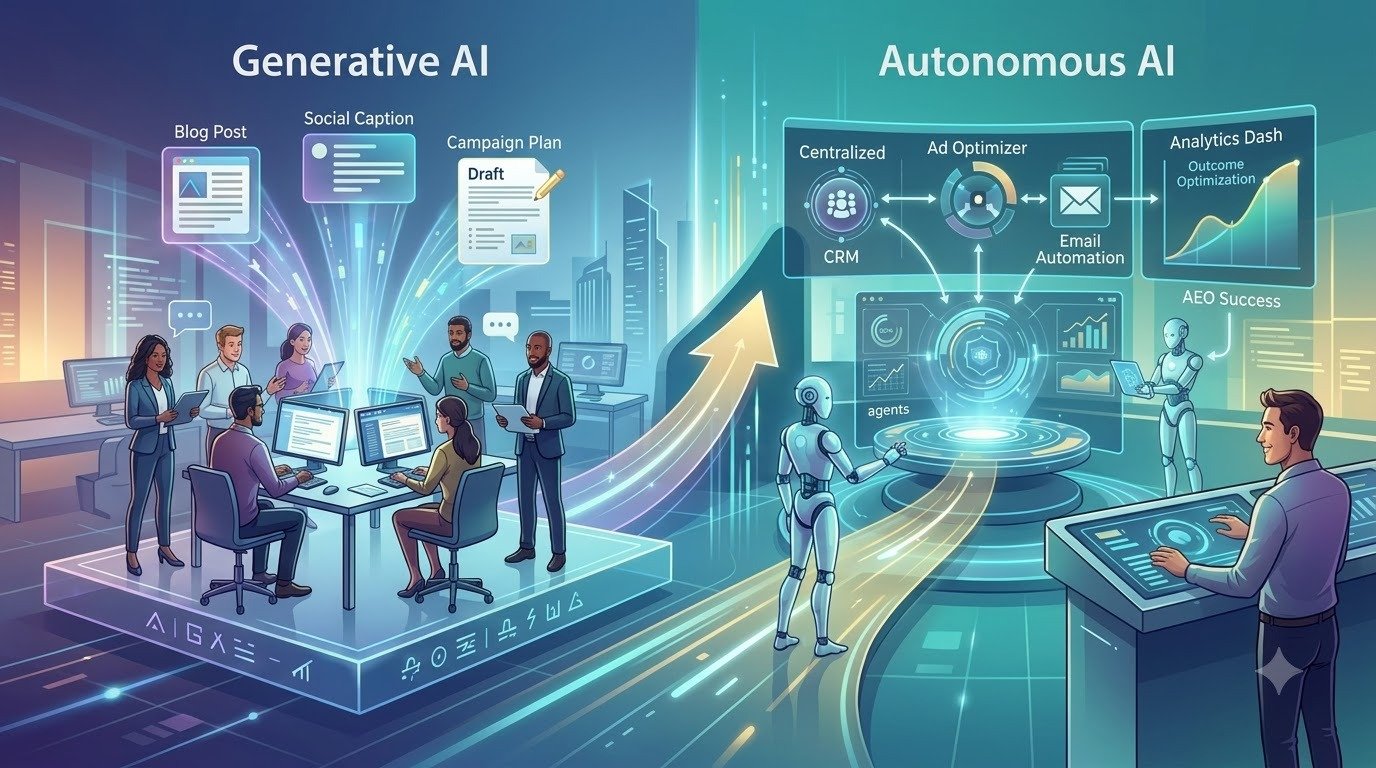
In the coming years, businesses may use AI agents that coordinate several activities, from finding potential customers to personalizing communication and measuring campaign results.
However, the speed of adoption will depend on cost, data quality, trust, and the ability to control these systems.
Some businesses may automate large parts of their marketing. Others may prefer to use AI only for selected tasks.
There will not be one perfect setup for every company.
The most successful businesses will be those that understand where AI adds value and where human judgment is still needed.
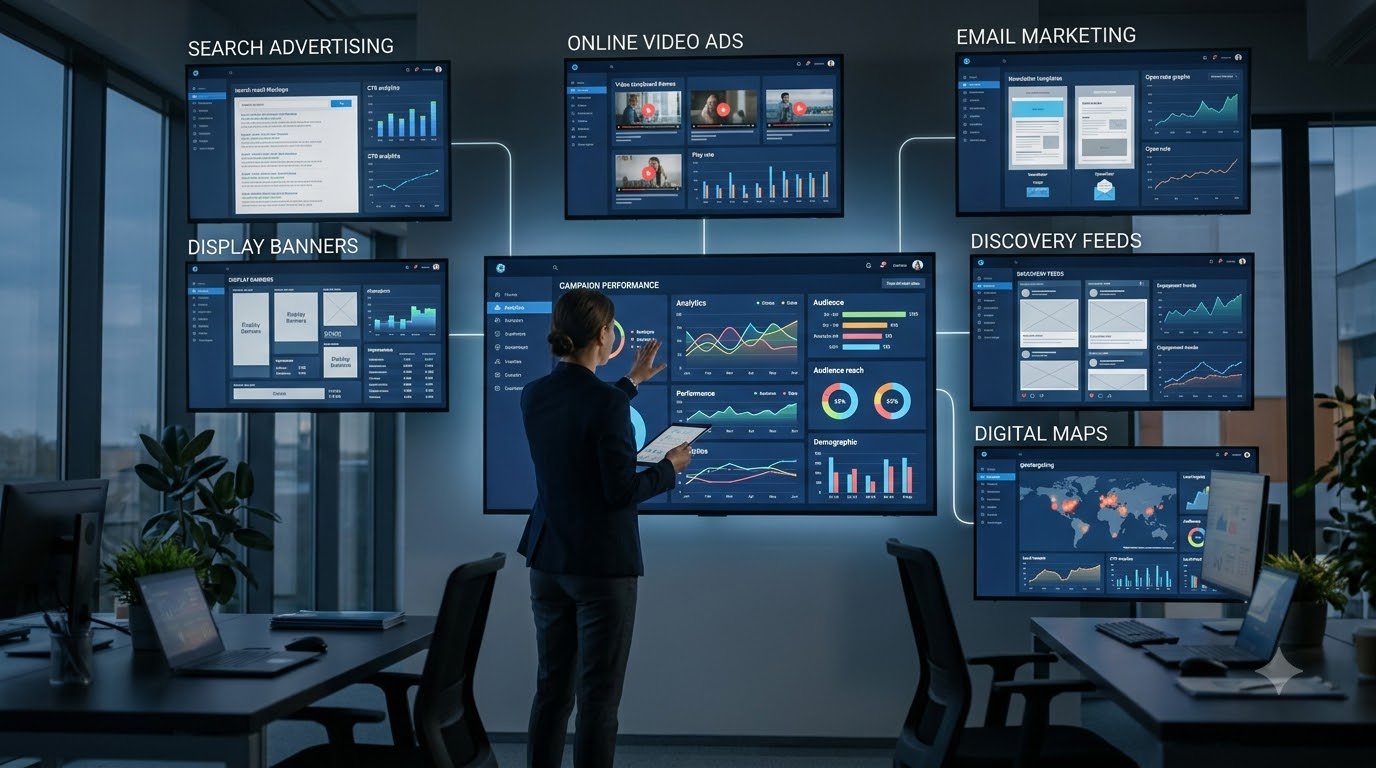
Conclusion: Autonomous Marketing in the Future
Autonomous marketing is altering marketing practices regarding planning, management, and optimization of marketing campaigns. The use of AI allows advertisers and marketers to be more efficient and effective in creating ads, managing campaigns, and communicating with customers through personalized emails.
But could AI handle an entire marketing campaign alone? It would be able to manage different processes, monitor them and make some decisions. Nevertheless, the role of people in understanding the customer’s needs, safeguarding the company’s reputation, and making the critical decisions remains relevant.
From the standpoint of companies, it makes sense to apply AI in repetitive processes and keep humans in charge of planning and decision-making. It is necessary for digital marketers to be ready for new trends and technologies and master AI tools, SEO techniques, online advertising, and data analysis skills.
In the future, autonomous marketing could become more popular as technology advances. Those companies that will know how to implement it will see the improvement in their work.
Autonomous marketing will never replace human creativity and intuition in marketing campaigns. In the future, AI will only help to perform routine processes faster and better.